
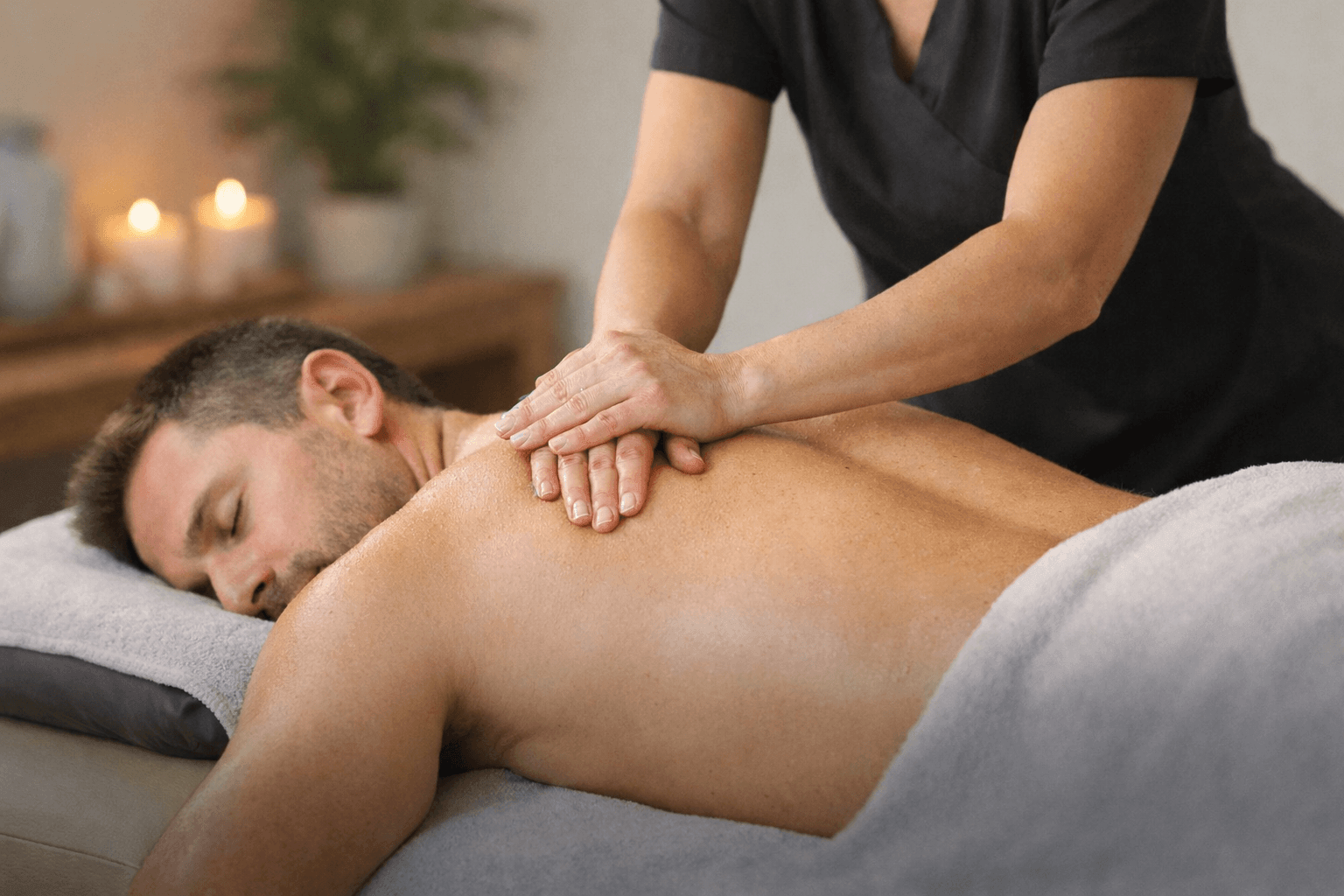
The Complete Guide to Postpartum Recovery & Postnatal Massage
The Complete Guide to Postpartum Recovery & Postnatal Massage
Postpartum recovery is often described as the “fourth trimester” — a critical period of healing, adjustment and physical restoration after pregnancy and birth. While much attention is placed on pregnancy itself, the weeks and months following delivery are just as important for long-term wellbeing.
Whether you’ve had a vaginal birth or a caesarean section, your body undergoes significant hormonal, structural and neurological changes. Understanding what is normal, what needs support, and how therapies like postnatal massage fit into recovery can help you make informed, confident decisions.
This guide provides a clinically grounded overview of postpartum recovery, including musculoskeletal changes, scar healing, pelvic floor recovery, nervous system regulation, and where structured therapeutic massage may offer safe support.
What Happens to the Body After Birth?
Pregnancy gradually adapts the body over nine months. Birth — in contrast — is a rapid physiological event. After delivery, the body begins reversing many pregnancy adaptations while simultaneously healing from tissue strain or surgical intervention.
- Hormonal shifts: Oestrogen and progesterone levels drop rapidly, while prolactin and oxytocin rise.
- Uterine involution: The uterus contracts back toward its pre-pregnancy size.
- Abdominal wall changes: The linea alba may remain stretched (diastasis recti).
- Pelvic floor strain: Autonomic nervous system balance
- Postural adaptations: Feeding, lifting and carrying create new mechanical demands.
- Nervous system load: Feeding, lifting and carrying create new mechanical demands.
Recovery timelines vary significantly. Some women feel physically steady within weeks; others require structured rehabilitation over several months.
Understanding the Fourth Trimester
The term “fourth trimester” refers to the first 12 weeks after birth. During this time, the body is not simply “bouncing back” — it is recalibrating.
For a deeper explanation of what this stage involves, see our guide on understanding the fourth trimester.
Key priorities during this period include:
- Allowing tissue healing
- Supporting circulation
- Reducing excessive muscular tension
- Restoring pelvic and core coordination
- Regulating stress responses
Structured bodywork, when applied appropriately, can complement these goals — but timing and technique matter.
When Can You Safely Have a Massage After Giving Birth?
One of the most common questions new mothers ask is when they can safely return to massage.
The answer depends on:
- Type of delivery (vaginal or caesarean)
- Presence of tearing or surgical stitches
- Clear health screening at each visit
- Communication with midwives or obstetric providers when appropriate
Light, gentle massage may be appropriate within the first few weeks for uncomplicated births, while abdominal or scar-focused work requires longer healing time.
Read our detailed timeline guide on when you can safely have a massage after giving birth.
Common Postpartum Physical Challenges
While every recovery is different, several patterns are commonly observed
- 1. Postpartum Back Pain
- Lower back discomfort is often linked to:
- Abdominal weakness
- Pelvic instability
- Breastfeeding posture
- Repetitive lifting
- Explore more about postpartum back pain and safe relief options.
- 2. Abdominal Separation (Diastasis Recti)
- Separation of the rectus abdominis muscles can affect stability and posture. Early recovery focuses on coordination rather than aggressive strengthening.
- Learn more in our article on pelvic floor and core recovery after pregnancy.
- 3. C-Section Scar Tightness
- Scar tissue can restrict fascial glide and contribute to abdominal or lower back discomfort. Scar mobilisation should only begin once medically cleared.
- Read our detailed C-section recovery and scar massage guidance.
- 4. Swelling & Fluid Retention
- Hormonal shifts and IV fluids during labour can contribute to swelling in the legs and abdomen.
- We explain realistic expectations in our guide to lymphatic drainage after pregnancy.
Benefits of Postnatal Massage
Postnatal massage is not about “pampering” — it is structured therapeutic bodywork tailored to postpartum physiology.
Research and clinical observation suggest potential benefits such as:
- Reduction in muscular tension
- Improved circulation
- Support for lymphatic flow
- Nervous system regulation
- Support for sleep quality
- Improved body awareness
- For a deeper breakdown, read our full explanation of the benefits of postnatal massage for new mothers.
- It is important to note that massage does not “detox” the body or replace medical care. Instead, it works by influencing circulation, tissue mobility and the autonomic nervous system.
Safety Considerations
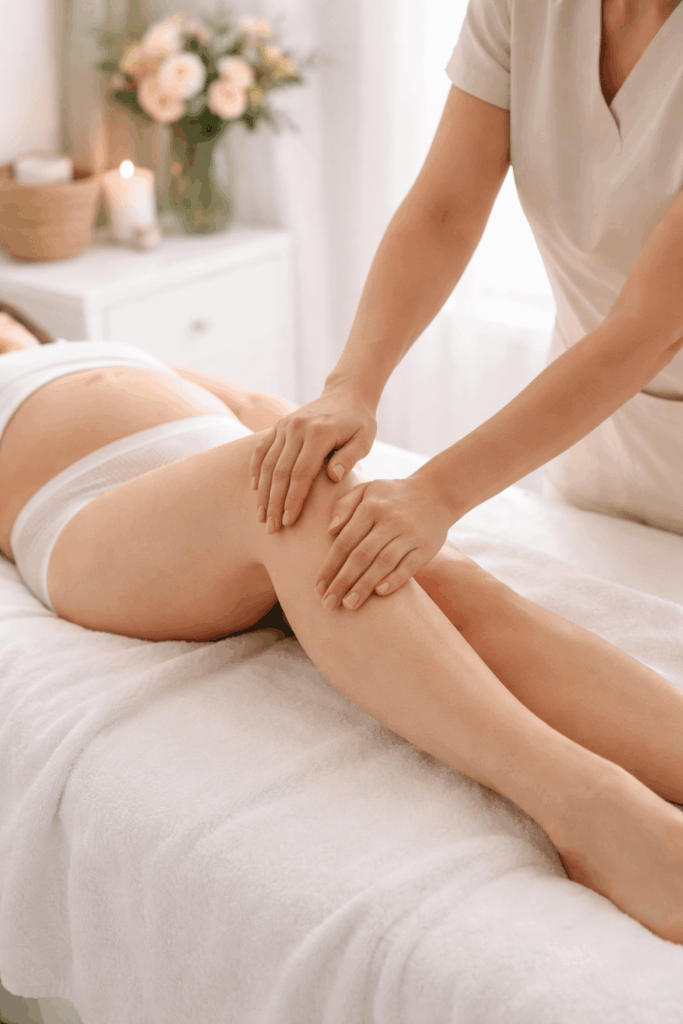
Postpartum massage should always include appropriate screening for:
- Infection
- Deep vein thrombosis risk
- Excessive bleeding
- Unhealed surgical sites
- Severe pain
Positioning may be modified to protect sensitive areas and ensure comfort, especially for breastfeeding mothers or those with abdominal tenderness.
When to Seek Additional Support
Massage can be supportive, but certain symptoms require referral to a GP, midwife or pelvic health physiotherapist:
- Persistent urinary incontinence
- Pelvic heaviness or bulging
- Severe abdominal separation
- Sharp or worsening pain
- Signs of infection
Collaborative care produces the safest outcomes.
Professional Postnatal Massage in Auckland
If you are seeking structured, clinically informed support, our approach focuses on safety screening, gradual progression and personalised treatment planning.
You can learn more about professional postnatal massage in Auckland, including what to expect during your first session.
Recovery does not need to be rushed. With appropriate support, the postpartum period can become a time of steady, confident rebuilding.
Ancient wisdom. Modern Care
Frequently Asked Questions
How long does postpartum recovery take?
Initial tissue healing occurs within 6–8 weeks, but full musculoskeletal recovery can take several months.
Is massage safe after a C-section?
Yes, once medically cleared. Direct scar work typically begins after adequate wound healing.
Can massage help with breastfeeding shoulder pain?
Yes, targeted treatment of the upper back and neck may reduce muscular strain.
Does lymphatic massage remove toxins?
No. It supports fluid movement but does not “detox” the body
Will massage fix diastasis recti?
Massage may improve tissue mobility, but rehabilitation exercises are essential for functional recovery.
Further Reading
Tags :
Refine - Body
Post Related
Unveil Your Most Beautiful Self.
Refine
Body
Face

Services
Follow us on :
Copyright © 2025 Interactive Therapies (2025) Ltd | Powered by Business Squad