
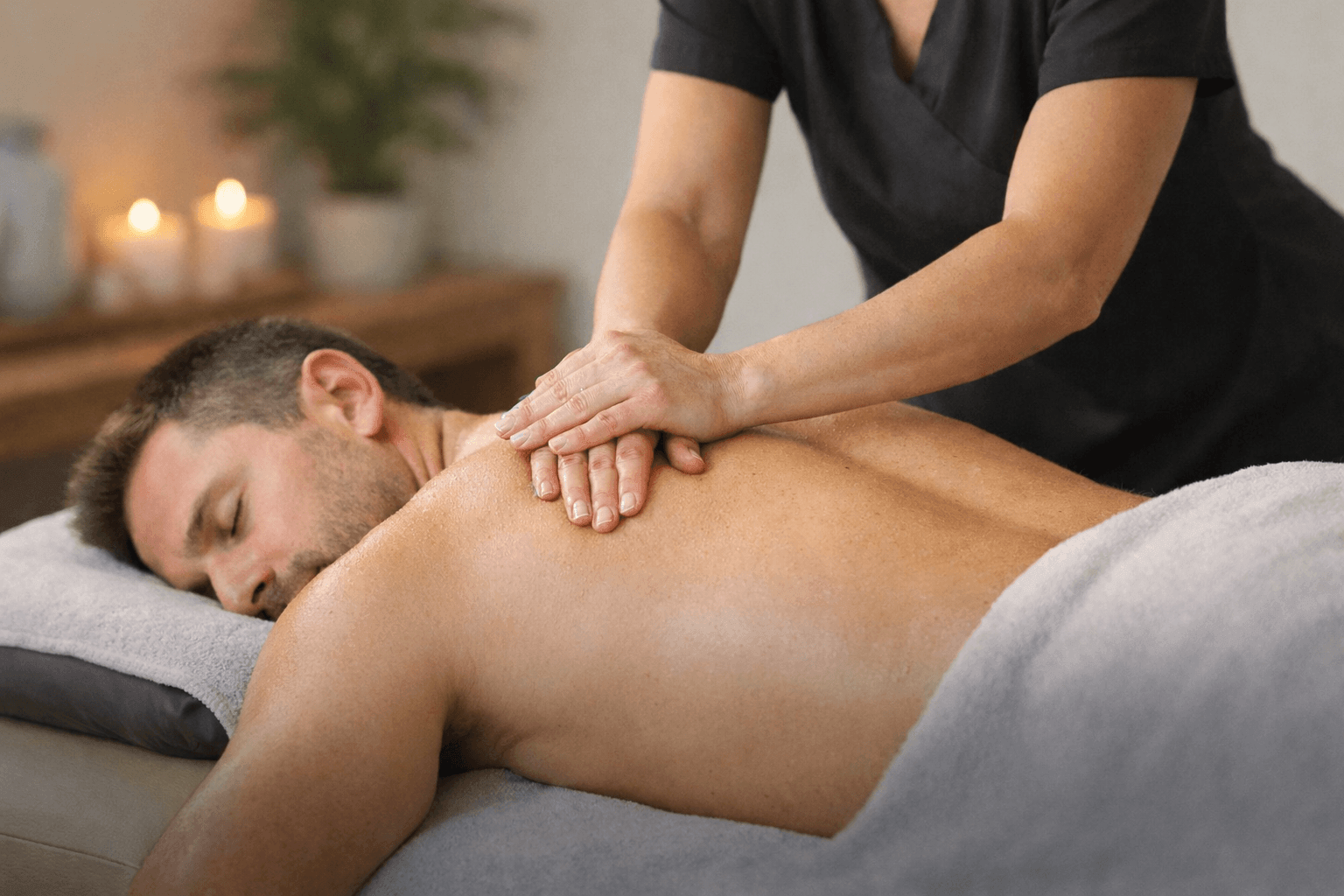
First Trimester Massage Guide: Safety, Benefits and When to Wait
First Trimester Massage Guide: Safety, Benefits and When to Wait
The first trimester can be physically subtle from the outside yet intense on the inside. Hormones shift quickly, energy may drop, nausea can appear without warning, sleep may feel disrupted, and familiar aches can suddenly feel harder to manage. It is also the stage of pregnancy where many people become more cautious about every choice they make, including whether massage is appropriate.
A well-structured first trimester massage is not the same as a standard relaxation treatment. It should begin with careful screening, thoughtful positioning, clear communication, and techniques that match how early pregnancy changes the body. The aim is not to “treat” pregnancy or make medical claims. The aim is to support comfort, reduce unnecessary muscular tension, and create a calm, well-considered treatment experience.
This guide explains what first trimester massage is, how safety is assessed, when treatment may need to be delayed, and what kinds of discomfort massage may help with. It also points you to more detailed articles on specific topics, including is massage safe in the first trimester, benefits of first trimester massage, and when to avoid massage in early pregnancy.
What Is First Trimester Massage?
First trimester massage is a pregnancy-adapted treatment provided during roughly the first 12 weeks of pregnancy. In this phase, the body may not yet require the same structural support as later pregnancy, but it often needs more careful clinical judgement. A therapist should take into account energy levels, nausea triggers, headaches, breast tenderness, stress load, previous pregnancy history, and any current symptoms that may require medical input before treatment.
The best early pregnancy massage sessions are usually gentle to moderate rather than aggressive. Pressure is adjusted according to the client’s comfort, the area being worked on, and the reason for treatment. The focus is often on common tension patterns such as neck and shoulder tightness, upper back strain, jaw tension, low back discomfort, heavy legs, and general nervous system settling.
Massage can still feel restorative in the first trimester, but it should feel measured, not forceful. Clinical precision matters more than intensity.
Is Massage Safe in the First Trimester?
This is one of the most common questions in early pregnancy, and the most useful answer is a practical one: massage may be appropriate in the first trimester when it is carried out with proper screening, suitable modifications, and good communication. Safety is not determined by a single rule alone. It depends on the individual pregnancy, current symptoms, medical advice where relevant, and the skill of the practitioner.
Some clinics choose not to treat in the first trimester at all. Others do, but only after a thorough intake and with clear boundaries around what is and is not appropriate on that day. A blanket “yes” or “no” does not help most people as much as a thoughtful safety process does.
For a deeper discussion of this topic, read is massage safe in the first trimester.
Why Early Pregnancy Needs a Different Approach
Even before a visible bump develops, the body is already adapting. Hormonal changes can affect circulation, fatigue, tissue sensitivity, digestion, mood, and sleep. A person who normally likes deep, vigorous massage may suddenly feel uncomfortable with the same style of treatment. Temperature tolerance can shift. Smells can feel stronger. Tenderness can appear in areas that were never sensitive before.
That is why first trimester massage should be structured differently from a routine massage appointment. Changes often include shorter or more flexible positioning, a slower pace, reduced sensory overload, and closer check-ins during treatment. Therapists may avoid techniques that feel too strong, too stimulating, or poorly matched to how the client is feeling that day.
If you want to understand the practical differences in assessment and technique, see first trimester massage vs regular massage.
Common Reasons People Seek Massage in the First Trimester
Not everyone books a first trimester massage because of pain. Many people book because they feel physically “off” in a way that is hard to describe. Muscles may feel tighter. Sleep may be lighter. Stress may sit more heavily in the body. Work posture, commuting, and existing tension patterns do not disappear just because pregnancy has started.
- Neck and shoulder tightness
- Upper back tension from posture and fatigue
- Mild low back discomfort
- Headache patterns linked to muscular tension
- General restlessness or stress
- A sense of physical overload during a time of rapid change
Massage is not a cure for pregnancy symptoms, but it may help some people feel more comfortable, more supported, and more able to rest.
For a full explanation, see benefits of first trimester massage.
What a Safe First Trimester Screening Process Should Include
A good screening process protects both client and therapist. It helps identify when treatment is suitable, when it needs modification, and when it should be postponed. Screening should be calm, respectful, and specific rather than alarmist.
- How many weeks pregnant you are
- Whether the pregnancy has been medically confirmed
- How you are feeling that day
- Whether you have had bleeding, cramping, dizziness, fever, or other concerning symptoms
- Any previous pregnancy complications or relevant health history
- Current advice from your GP, midwife, obstetrician, or specialist if applicable
- Your main reason for booking the massage
Screening should continue during the treatment too. Comfort can change quickly in early pregnancy, so ongoing check-ins matter.
When Massage May Need to Wait
There are situations where massage is best postponed until medical review has happened or symptoms have settled. This is not about creating fear. It is about recognising when another type of care needs to come first.
- Unexplained bleeding or spotting
- Strong or increasing abdominal pain
- Fever, infection, or feeling acutely unwell
- Sudden dizziness or faintness
- Severe nausea or dehydration that makes treatment unrealistic
- Advice from a healthcare professional to avoid massage for now
- Symptoms that have not yet been assessed but may need review
You can read more in when to avoid massage in early pregnancy and symptoms that need medical review before massage.
Positioning Matters Even in Early Pregnancy
Because the abdomen is often still small in the first trimester, some people assume positioning does not matter yet. In reality, comfort matters from the start. Nausea, breast tenderness, reflux, anxiety, low energy, and simple sensory overload can make certain positions unpleasant long before later-pregnancy body mechanics become the main issue.
Supported side-lying, semi-reclined, and carefully chosen prone or supine options may all be appropriate depending on the person, the treatment goal, and how they feel on the day. The key is not rigidly choosing one position for everyone. The key is adapting well.
For more detail, read best massage positions in the first trimester.
What a First Trimester Session May Include
While every treatment plan should be individual, many first trimester sessions include a similar framework. The therapist usually begins with a check-in, confirms current symptoms, and clarifies treatment goals. Pressure and pacing are then adjusted to suit the body’s sensitivity that day.
- Gentle to moderate soft tissue work
- Postural tension relief for the neck, shoulders, and back
- Supported positioning with pillows or bolsters
- Regular comfort check-ins
- A calm, lower-stimulation environment where possible
- A clear stop-or-modify plan if symptoms change during treatment
The session should leave you feeling supported rather than depleted.
What Massage Does Not Do
Good pregnancy massage information should be realistic. Massage does not prevent miscarriage, guarantee symptom relief, or replace medical care. It should not be framed as a cure-all or as a way to “detox” the body. Those claims are not helpful and can reduce trust.
What massage can do is offer skilful, supportive bodywork aimed at comfort, tension reduction, and a calmer treatment experience. That is valuable on its own.
How to Decide Whether to Book
A useful decision question is not just “Can I get a massage?” It is “Is massage appropriate for me today, and is the therapist prepared to adapt the treatment properly?” If the answer is yes, a first trimester session may be a sensible option. If there are unclear symptoms or you feel unsure, speak with your midwife, GP, or lead maternity carer first.
Look for a clinic that takes screening seriously, explains modifications clearly, and is comfortable adjusting the session when needed. That process is often more important than any marketing language.
When Professional Support Feels Right
Early pregnancy can feel exciting, uncertain, exhausting, and physically strange all at once. Thoughtful massage care does not need to overpromise to be useful. Sometimes what matters most is having a session that respects how variable the first trimester can be and responds with calm, structured support.
If you are looking for a carefully adapted treatment, you can book a first trimester massage in Auckland.
Frequently Asked Questions
Can I have a massage before 12 weeks pregnant?
In some cases, yes, but it depends on your current symptoms, health history, and whether the therapist uses appropriate screening and modifications.
Why do some places avoid first trimester massage?
Some clinics prefer a blanket policy because early pregnancy can involve more uncertainty. Others offer treatment with careful screening and clinical judgement.
Is deep tissue massage appropriate in the first trimester?
Not usually as a default approach. Pressure should suit the area being treated, the client’s comfort, and the body’s sensitivity during early pregnancy.
What symptoms mean I should postpone massage?
Bleeding, severe pain, fever, significant dizziness, dehydration, or any symptom that needs medical review should be assessed before treatment.
Can massage help with nausea?
Massage is not a treatment for nausea itself, but a calm, adapted session may help some people feel more settled overall. Strong scents and uncomfortable positions should be avoided.
Do I need a special pregnancy massage therapist?
You need a therapist who knows how to screen properly, modify treatment safely, and work appropriately with pregnancy.
Can I lie face down in the first trimester?
Some people can for short periods and some cannot. Comfort, breast tenderness, nausea, and overall tolerance matter more than a one-size-fits-all rule.
Further Reading
- First trimester massage in Auckland
- Is massage safe in the first trimester?
- Benefits of first trimester massage
- When to avoid massage in early pregnancy
- Best massage positions in the first trimester
- Symptoms that need medical review before massage in pregnancy
- First trimester massage vs regular massage
Safe, soothing touch for you and your little one
Tags :
Refine - Body
Post Related
Unveil Your Most Beautiful Self.
Refine
Body
Face

Services
Follow us on :
Copyright © 2025 Interactive Therapies (2025) Ltd | Powered by Business Squad