
trusted by clients since 1993
Deep Tissue Massage Guide: Benefits, Safety, What to Expect
Deep Tissue Massage Guide: Benefits, Safety, What to Expect
Deep tissue massage is often described as a firm massage, but that only tells part of the story. A well-delivered deep tissue session is not simply about using more pressure. It is a structured treatment approach used to work through persistent muscle tightness, areas of overload, and movement restriction in a controlled and purposeful way.
For many people, tension builds gradually. Hours at a desk, repetitive work, gym training, long drives, stress, and old strain patterns can all leave muscles feeling dense, guarded, and less responsive. Stretching may help for a short time, yet the body often returns to the same pattern if the underlying tightness has not been properly addressed.
This guide explains what deep tissue massage is, how it differs from a general relaxation massage, who it may suit, when caution matters, what happens during treatment, and how to look after yourself afterwards. If you are considering deep tissue massage in Auckland, this page is designed to help you make an informed decision with realistic expectations.
What is deep tissue massage?
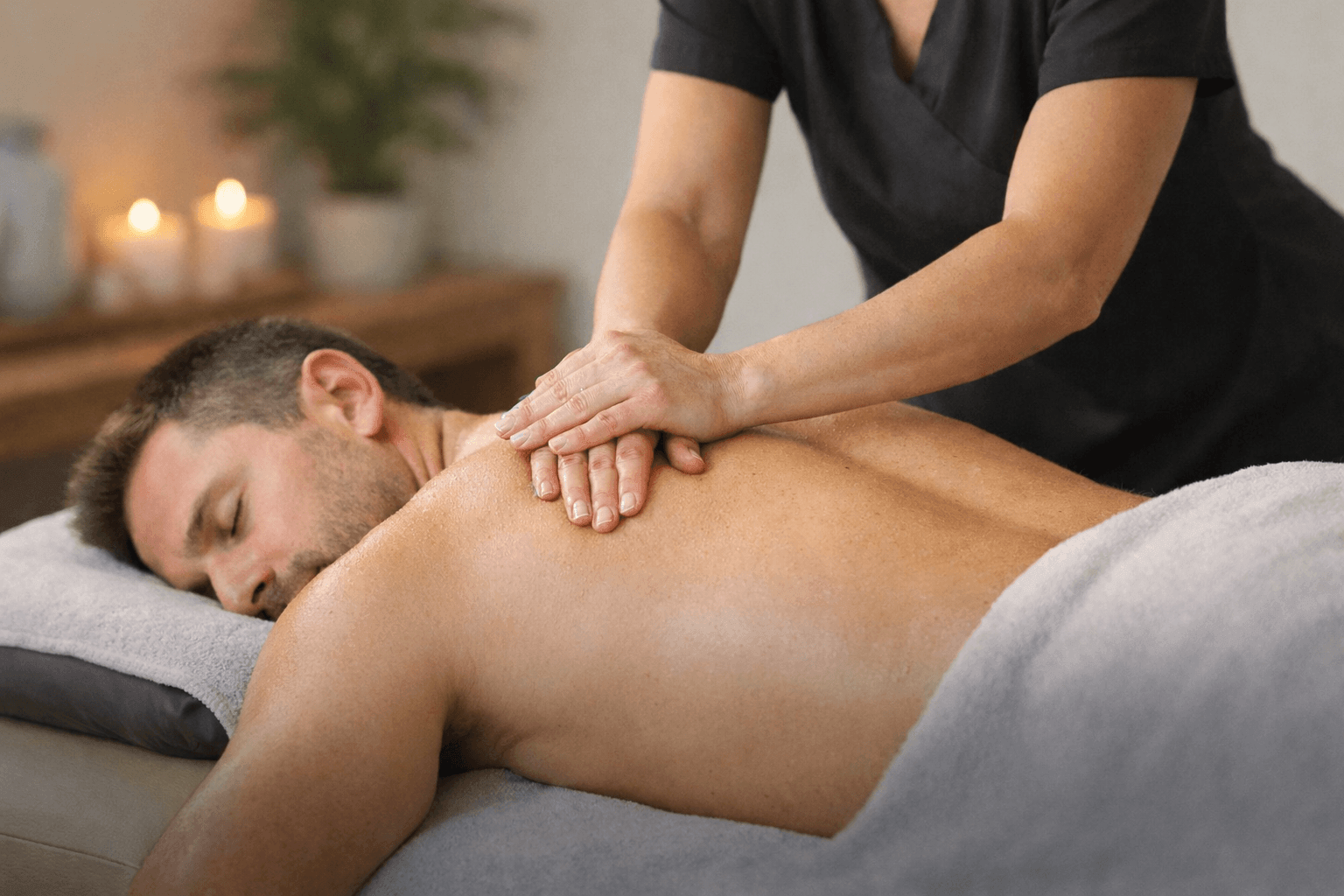
Deep tissue massage is a treatment style that focuses on deeper layers of muscle and surrounding soft tissue. Therapists use slower strokes, sustained pressure, and specific techniques to work through areas that feel chronically tight, shortened, overloaded, or restricted.
The aim is not to force the body or “break up toxins”. Instead, the goal is to improve tissue quality, reduce excessive muscle guarding, support circulation, and help the body move with less resistance. In practice, this often means working carefully through common trouble areas such as the upper back, shoulders, neck, glutes, hips, calves, and lower back.The aim is not to force the body or “break up toxins”. Instead, the goal is to improve tissue quality, reduce excessive muscle guarding, support circulation, and help the body move with less resistance. In practice, this often means working carefully through common trouble areas such as the upper back, shoulders, neck, glutes, hips, calves, and lower back.
Deep tissue treatment can be useful when lighter massage feels pleasant but does not create much lasting change. It is often chosen by people with physically demanding routines, sedentary work patterns, training-related tightness, or long-standing postural strain.
How deep tissue massage is different from relaxation massage
A relaxation massage is generally broader, gentler, and designed to calm the nervous system and promote overall ease. Deep tissue massage is usually more targeted. The therapist pays close attention to how tissues feel, where movement seems limited, and which patterns may be contributing to discomfort or stiffness.
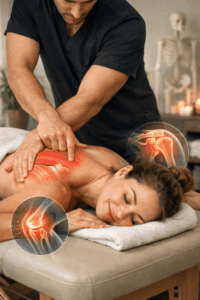
That does not mean deep tissue should feel harsh. Effective treatment is still measured, responsive, and adjusted to the person on the table. Too much pressure can cause guarding and make treatment less productive. Skilled therapists usually aim for pressure that feels meaningful and therapeutic without becoming overwhelming.
If you are unsure which style suits you, our article on deep tissue massage vs sports massage can help you compare treatment goals and choose more confidently.
Common reasons people book deep tissue massage
People seek deep tissue massage for many reasons, but a few themes come up again and again. The most common is persistent tightness that keeps returning despite stretching, rest, or changing positions. Others want support for movement quality, muscle recovery, or general comfort through busy work and training weeks.
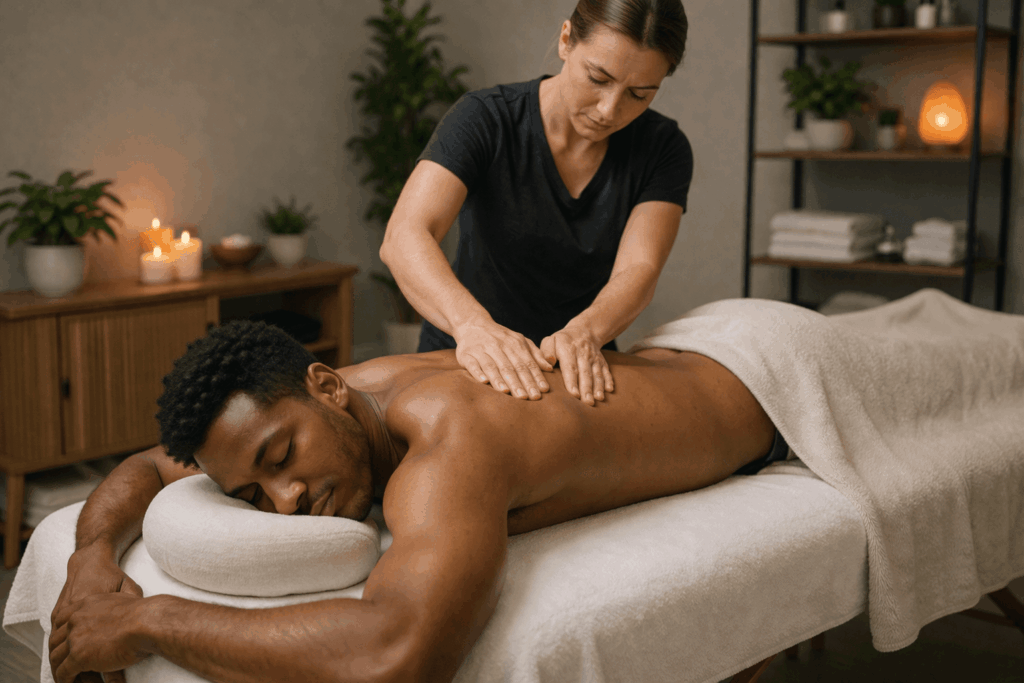
- Stiff neck and shoulders from screen-based work
- Upper back tightness linked to posture and stress
- Lower back and hip tension from sitting or repetitive tasks
- Heavy legs and calves after sport, walking, or standing work
- Ongoing muscle knots that feel dense or tender
- Restricted movement that makes daily activity feel less comfortable
If upper-body tension is your main issue, see our detailed guide on deep tissue massage for back, neck, and shoulder tension.
Benefits of deep tissue massage
The benefits of deep tissue massage are usually best understood in practical terms. People often notice that movement feels easier, muscles feel less dense, and the body no longer seems to be bracing against itself in the same way.
- Reduced muscle tightness and localised tension
- Improved ease of movement and flexibility
- Better comfort through the neck, shoulders, back, and hips
- Support for recovery after training or heavy physical load
- A greater sense of lightness and less stiffness through daily tasks
- Improved body awareness and recognition of overload patterns
Benefits are not identical for everyone. The best outcomes depend on the pattern being treated, the amount of pressure used, how reactive the tissues are, and what daily habits continue after the appointment. For a fuller discussion, read benefits of deep tissue massage for tight muscles and stiffness.
Does deep tissue massage hurt?
This is one of the most common questions, especially from first-time clients. Deep tissue massage can feel intense, but it should not feel punishing. There is a difference between productive pressure and excessive pressure. Productive pressure feels specific, tolerable, and purposeful. Excessive pressure makes you tense up, hold your breath, or feel like you are enduring the treatment rather than benefiting from it.
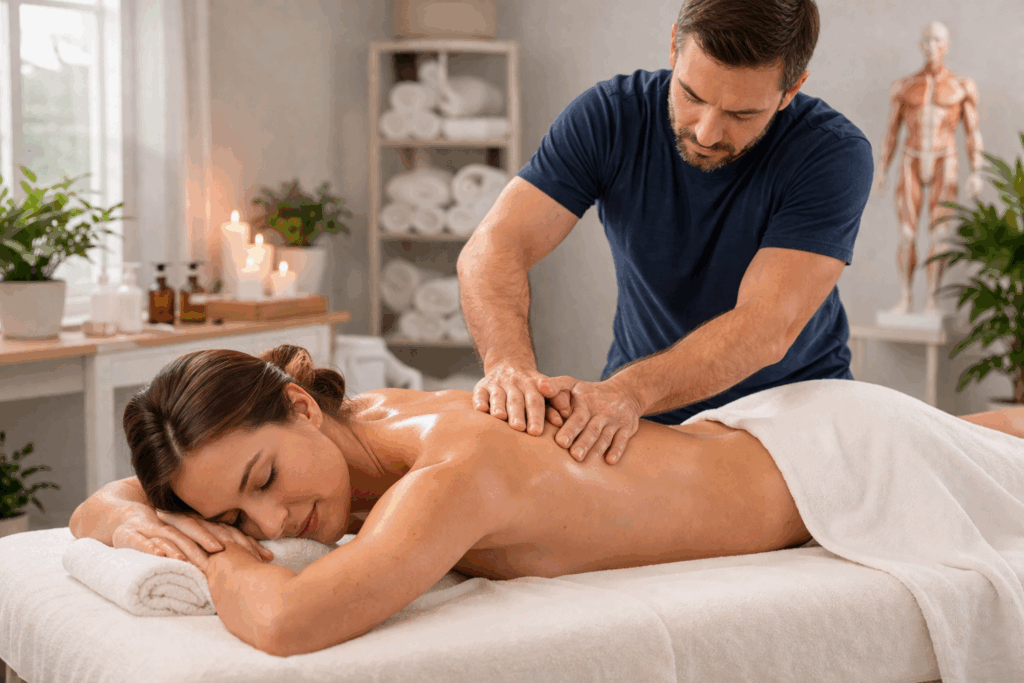
A good therapist watches for these responses and adjusts technique, pace, and depth as needed. Some areas may feel more tender than others, particularly if they have been overloaded for a long time. Even so, treatment should remain collaborative. Clear communication matters throughout the session.
What happens during a deep tissue massage session?
A quality session usually starts before any hands-on work begins. The therapist asks about your goals, current symptoms, general health, recent injuries, training load, and any areas you would prefer to avoid. This screening helps shape the session and improves safety.
During treatment, the therapist may begin more broadly to warm the tissues and assess where the body is holding tension. They then work more specifically into priority areas using slower, more deliberate techniques. You may be asked to breathe deeply, change position, or let the therapist know whether the pressure is too little, about right, or too much.
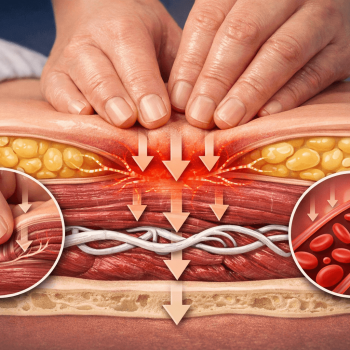
Afterwards, you may feel looser, warmer, lighter, and more mobile. Some people also feel pleasantly tired. Others notice mild tenderness later the same day or the next morning. If you want a full appointment walkthrough, read what to expect during a deep tissue massage session.
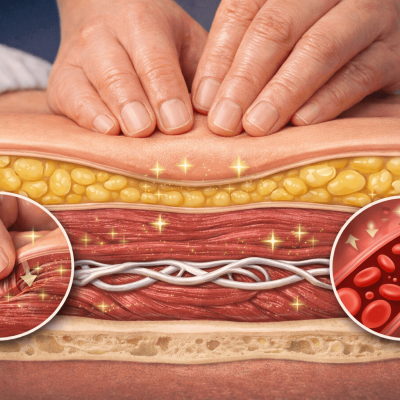
Is soreness after treatment normal?
Mild soreness can happen after deep tissue massage, especially if tissues were very tight, you had not had bodywork for some time, or the therapist treated multiple dense areas in one session. This usually feels more like post-exercise tenderness than sharp pain.

Common after-effects may include temporary tenderness, a sense of heaviness, slight fatigue, or greater awareness of an area that was previously very tight. These reactions often settle within a day or two. Gentle movement, hydration, normal meals, and avoiding another heavy physical load straight away can help.
For a clearer breakdown of what is normal and what is not, see is it normal to feel sore after deep tissue massage?
When deep tissue massage may not be appropriate
Deep tissue massage is not the right choice for every situation. Timing, tissue sensitivity, medical history, and current health all matter. It may need to be postponed or modified if you are unwell, have a recent acute injury, have significant bruising, are recovering from a procedure, or have a condition where strong pressure is not appropriate.
This is why proper screening matters. A safety-first therapist does not apply the same pressure to every person or every body area. They adapt the session according to what is suitable that day.
For a detailed explanation, read when to avoid deep tissue massage and when to check first.
How to get better results from treatment
Deep tissue massage usually works best when it is part of a bigger picture rather than a one-off attempt to undo months of strain. That does not mean everyone needs a long treatment plan. It does mean that lasting change often comes from combining treatment with practical self-care and realistic recovery habits.
- Pay attention to when tension builds during the day
- Break up long periods of sitting or repetitive work
- Use simple mobility work consistently rather than occasionally
- Allow some recovery space after intense training blocks
- Let your therapist know what changed after your last session
Many people benefit from a short series of appointments at the start, especially when tightness has been building for a long time. After that, treatment frequency can often be adjusted based on how your body responds and what your workload looks like.
Who deep tissue massage may suit best
Deep tissue massage often suits people who want focused work rather than a purely relaxing experience. That may include office workers with neck and shoulder tension, active people with heavy legs or overworked hips, tradespeople with localised muscle tightness, and anyone who feels like their body has become less free and more guarded over time.
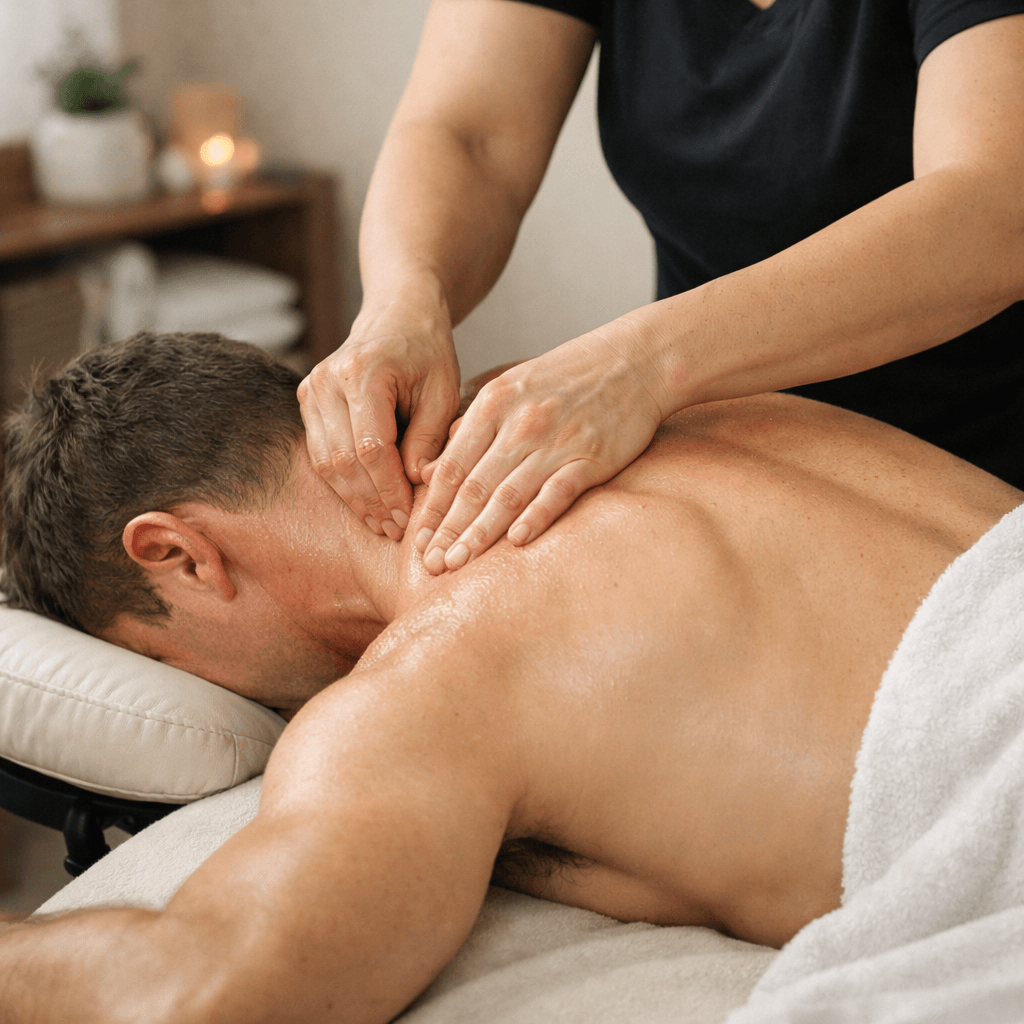
It may also suit those who have tried gentler massage before and want a more targeted approach. The key is not how “tough” you are. The key is whether the treatment style matches your body’s current needs.
Choosing the right clinic
When choosing a provider, look for more than the promise of firm pressure. Good deep tissue treatment depends on screening, communication, anatomy knowledge, and the ability to adapt the session rather than using the same routine on everyone. A strong outcome often comes from precision, not force.
If you are ready to move from research into treatment, you can book a personalised deep tissue massage in Auckland and choose a session focused on your specific tension pattern and recovery goals.
Frequently Asked Questions
Is deep tissue massage the same as a hard massage?
No. Deep tissue massage is targeted and structured, not simply forceful. Effective treatment uses the right depth for the person and the area being treated.
How often should I get deep tissue massage?
That depends on your goals, how long the tension has been present, and how your body responds. Some people benefit from a short series first, then move to maintenance sessions.
Should I exercise after a deep tissue massage?
Light movement is often fine, but very intense training straight away may not be ideal if the body feels tender or fatigued. Use common sense and listen to how you feel.
Can deep tissue massage help desk-related tightness?
It can be a useful option for postural and screen-related muscle tension, especially through the neck, shoulders, upper back, and hips.
What should I do if I feel sore afterwards?
Keep moving gently, stay hydrated, eat normally, and avoid loading the area too heavily for a short time. If symptoms feel unusual or excessive, check with your therapist or health professional.
When should I postpone treatment?
If you are unwell, have a recent acute injury, or have another situation where strong pressure may not be suitable, it is best to check first.
Further Reading
- Deep tissue massage in Auckland
- Benefits of deep tissue massage for tight muscles and stiffness
- What to expect during a deep tissue massage session
- Deep tissue massage vs sports massage
- Is it normal to feel sore after deep tissue massage?
- Deep tissue massage for back, neck, and shoulder tension
- When to avoid deep tissue massage and when to check first
Give your body the relief it has been asking for
Tags :
Refine - Body
Post Related

Unveil Your Most Beautiful Self.
Refine
Body
Face

Services
Follow us on :
Copyright © 2025 Interactive Therapies (2025) Ltd | Powered by Business Squad