
trusted by clients since 1993
Auckland: A Complete Guide to the Lymphatic System, Swelling, and Structured Support
Lymphatic System
Most people know about blood circulation. Fewer understand the lymphatic system — yet it plays a central role in fluid balance, immune defence, and recovery after injury or surgery.
Understanding the Lymphatic System
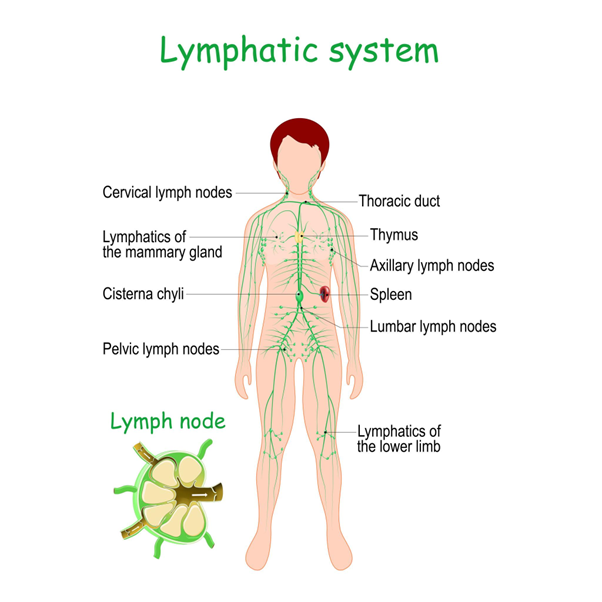
The lymphatic system is a network of vessels, nodes, and ducts that move fluid through the body.
Unlike the cardiovascular system, it has no central pump. It relies on:
- Muscle Contraction
- Breathing mechanics
- Tissue pressure changes
- One-way interval valves.
Its primary roles are:
- Maintaining fluid balance.
- Supporting immune defence
- Filtering waste and inflammatory by-products
If you’d like a deeper anatomical breakdown of the vessels, nodes, ducts, and watershed territories involved, read our detailed guide:
Understanding the structure explains everything that follows.
Why Swelling Happens?
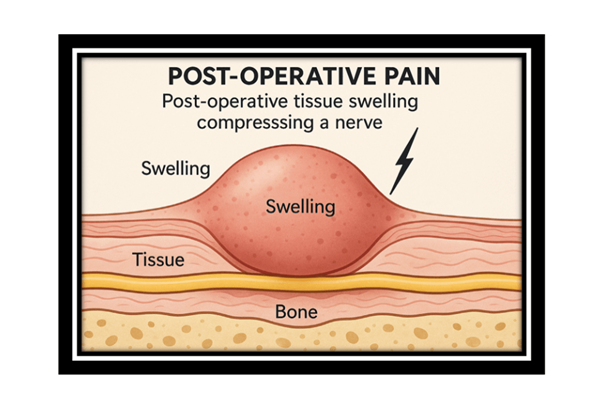
Swelling (oedema) occurs when fluid production exceeds the lymphatic system’s drainage capacity.
This often happens after:
- Surgery.
- Soft tissue injury.
- Inflammation.
- Periods of immobility.
Surgical procedures increase capillary permeability. Inflammatory chemicals increase fluid leakage. The lymphatic system must clear this excess. If clearance cannot keep up, fluid accumulates in tissues.
We break down this process in detail here:
Swelling is not random. It’s a predictable physiological response.
If you’ve experienced swelling, puffiness, heaviness in limbs, post-surgical congestion, or fluid retention, your lymphatic system is involved.
This guide explains:
- What the lymphatic system is
- How lymphatic drainage works
- Why swelling happens
- The difference between fluid retention and lymphatic congesion.
- How lymphatic drainage massage works anatomically.
- When structured professional delivery matters.
This is not surface-level information. It’s a structured explanation of how the system actually functions.
Fluid Retention vs Lymphatic Congestion
Many people assume all swelling is the same. It isn’t. There is a difference between:
- Systematic fluid retention and Regional lymphatic congestion
- Fuel retention often relates to hormonal shifts, salt balance, or systemic factors
- Lymphatic congestion is more commonly localised - for example, one limb following injury.
We explain the anatomical distinction clearly in:
Understanding the difference helps clarify what type of support may be appropriate.
How Lymphatic Drainage Massage Works Anatomically
Lymphatic drainage massage is often described as gentle. Anatomically, it is highly structured.
It follows this sequence:
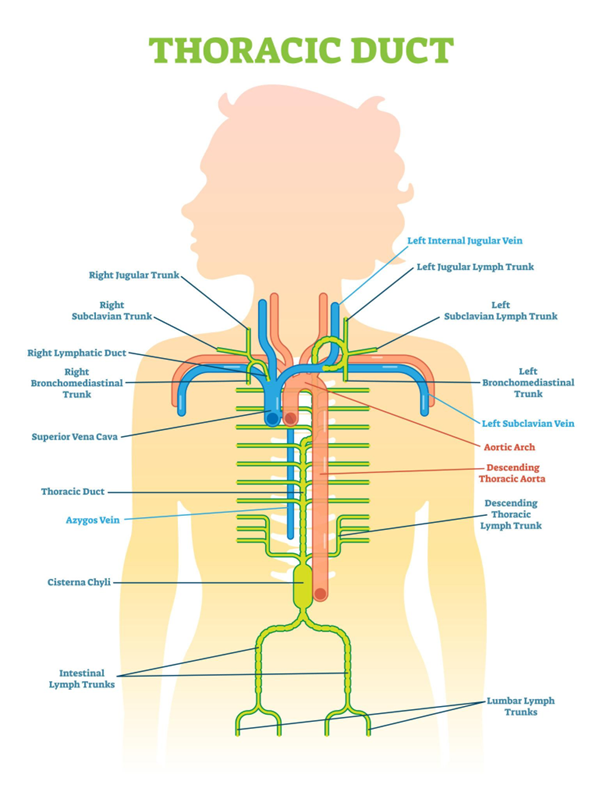
- Central clearance
- Superficial vessel stimulation
- Directional regional drainage
- Valve-based flow support.
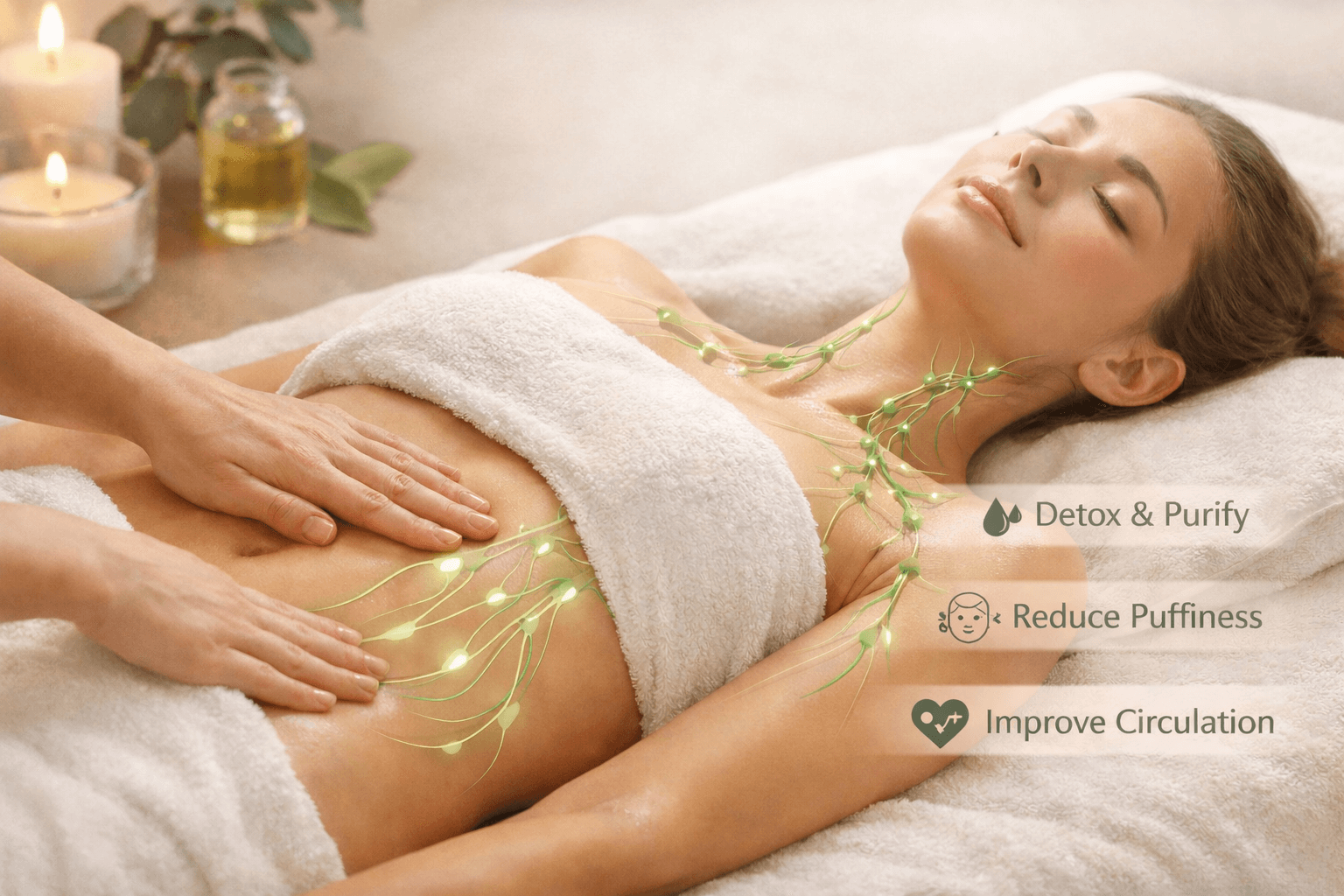
Because lymph vessels are superficial, excessive pressure may compress them. Gentle, rhythmic stretching of the skin stimulates lymphangion contraction — the small functional segments between valves.
We explain the mechanics in depth here:
Understanding anatomy clarifies why structured technique matters.
Why Professional Knowledge Matters
The lymphatic system is directional and segmented.
Stimulating distal regions without clearing proximal nodes may reduce efficiency.
Ignoring watershed boundaries may limit flow. Overly aggressive pressure may shift the focus to blood circulation instead of lymphatic transport.
Proper application requires:
- Anatomical understanding
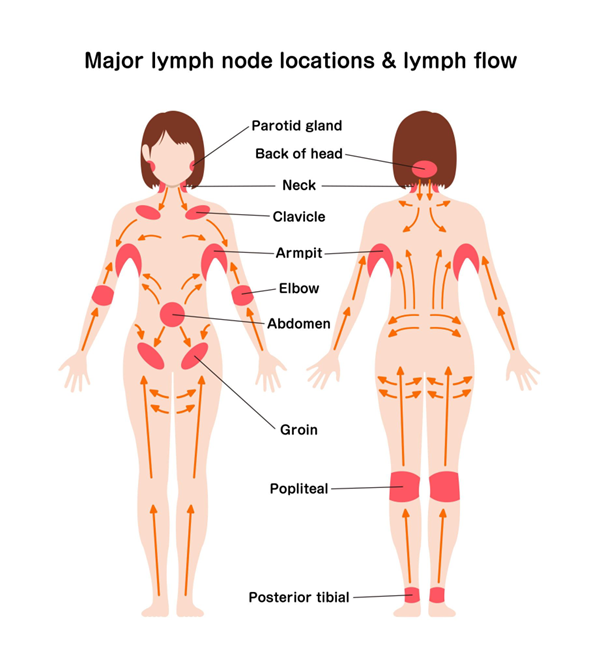
- Knowledge of lymph node locations
- Awareness of drainage territories
- Screening for contraindications.
Especially in post-surgical or injury contexts, structured delivery becomes more important.
Common Misunderstandings About Lymphatic Drainage
There are persistent myths about lymphatic drainage. Some believe:
- It "flushes toxins"
- It works instantly for everyone
- More pressure equals better results
These assumptions oversimplify a complex physiological system. We address these misconceptions here:
Clear understanding prevents unrealistic expectations.
When Is Lymphatic Drainage Relevant?
Lymphatic drainage massage may be considered in cases involving:
- Post-surgical swelling
- Injury-related congestion
- Fluid retention
- Heaviness in limbs
- Periods of immobility
It does not replace medical treatment. It complements structured recovery when appropriate.
For those exploring professional lymphatic drainage massage in Auckland, our dedicated service page provides detailed information about treatment structure and suitability:
The Bigger Picture
The lymphatic system processes litres of fluid daily. It filters pathogens. It regulates inflammation. It maintains tissue equilibrium.
When functioning optimally, you don’t notice it. When overwhelmed, symptoms appear as swelling, heaviness, or prolonged recovery.
Understanding the anatomy — capillaries, vessels, nodes, ducts — clarifies why fluid accumulates and why directional support matters.
Lymphatic drainage is not about intensity. It is about respecting physiology. It is about working with the body’s structure — not against it.
When approached correctly, it becomes structured fluid management rather than general massage. And that distinction matters.
Tags :
Lymphatic Drainage
Share This :
“A gentle reset for your body”
Book your lymphatic drainage massage with our expert therapists in Auckland.
We’ll assess your skin, explain the options, and help you start a treatment plan that’s right for you.
Further Reading: Deepen Your Understanding of the Lymphatic System
- Lymphatic System Anatomy. A foundational breakdown of how the lymphatic system is structured, including vessels, nodes, and how lymph moves through the body.
- Lymphatic Drainage Massage Anatomy. Learn how manual lymphatic drainage works, what areas are targeted, and the anatomical pathways involved in effective treatment.
- Fluid Retention vs. Lymphatic Congestion. Understand the key differences between general water retention and true lymphatic congestion—and why the distinction matters for treatment.
- Post-Surgical Swelling and the Lymphatic System. Discover how surgery affects lymph flow, why swelling occurs, and how targeted lymphatic drainage can support recovery.
- Common Myths About Lymphatic Drainage. Separate fact from fiction with a science-based look at the most widespread misconceptions about lymphatic massage and detoxification.
Post Related
Common Myths About Lymphatic Drainage
February 14, 2026
Unveil Your Most Beautiful Self.
Refine
Body
Face

Services
Follow us on :
Copyright © 2025 Interactive Therapies (2025) Ltd | Powered by Business Squad